Polypropylene Wax (PP Wax) has a high melting point, good lubricity, and excellent dispersibility, and is especially recommended for polyolefin processing systems that require extended continuous production cycles.
Application
- 1.When processing polypropylene with high viscosity, adding this product can increase the MI value, enhance lubrication and flowability, reduce broken filaments, and improve surface finish, making it an ideal modifier for the melt index of polyolefins.
- 2.Polypropylene resin blend modifier and release agent: After adding a large amount of filler to polypropylene, injection molding becomes difficult, and the product surface is rough and hard to demold. Adding an appropriate amount of PP wax can improve the blend’s flowability, enhance material compatibility, facilitate demolding, and improve product surface smoothness.
- 3.PP wax can be used as a carrier in the manufacture of toner for electrostatic copiers, providing excellent lubrication, increasing the toner’s melting point and moisture resistance, and preventing adhesion in copies.
- 4.PP wax is an energy-saving agent and processing modifier for polyolefin resin processing. Adding an appropriate amount to LLDPE, HLPE, and extrusion processes can reduce the main motor current by 10-20%, increase extrusion speed, and improve efficiency. Especially in LLDPE blow molding, it improves film appearance, transparency, and eliminates sharkskin defects.
- 5.PP wax acts as a dispersant and lubricant in manufacturing high-temperature resistant hot-spun masterbatches. It can replace PP wax in high-temperature spinning masterbatch production, overcoming sublimation odor issues during high-temperature spinning. It is especially suitable for dispersing and lubricating masterbatches used in polypropylene, polyester, and nylon spinning.
- 6.PP wax is used in manufacturing high-temperature resistant hot melt adhesives. It is a wear-resistant agent for printing inks, enhancing wear resistance, preventing smudging, and improving heat resistance.
Technical Specifications
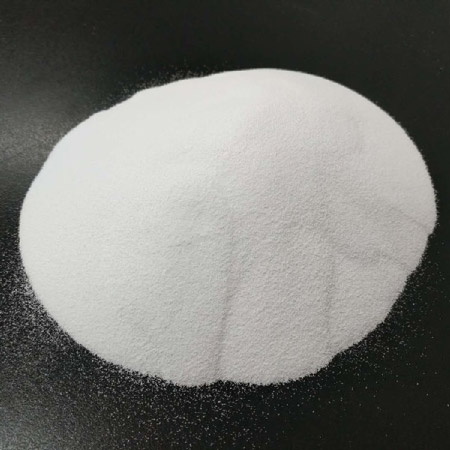
Appearance | Powder |
Color | White |
Softening Point (℃) | 150-160 |
Melt Viscosity (170℃) (cps) | 200-600 |
Molecular Weight | 7000-9000 |
Advantages:
- Relatively high melting point (usually higher than polyethylene wax), 150–160°C.
- High temperature resistance with good lubricity and dispersibility.
- Can enhance the gloss of plastic products, has low melt viscosity, and is an excellent additive for current polyolefin processing with high practicality.
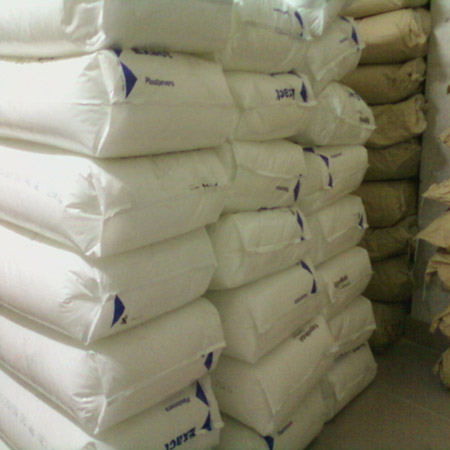 |  |
Polypropylene wax package
| Polypropylene wax powder |
Package and storage:
25kg bags, with plastic inner and woven outer bags.
It should be stored in a cool and dry place, avoiding direct sunlight and rain. The shelf life is 12 months.
What is polypropylene wax (PP wax) and how does it differ from polyethylene wax?
Polypropylene wax is a low-molecular-weight polypropylene (polypropene) product used as a synthetic wax. Compared with polyethylene wax, PP wax typically offers higher melting points and better heat resistance, often providing enhanced abrasion resistance, matting and high-temperature performance in hot-melt adhesives and some ink systems.
Which applications benefit most from polypropylene wax?
Common uses include powder coatings (matting and anti-gassing), printing inks (scratch/abrasion resistance), hot-melt adhesives (melting point control and set speed), masterbatch/plastics (processing aid, slip), and release agents for molding/extrusion.
What grades do you offer and how do I choose the right grade?
Typical grade families: micronized (fine particle for coatings/inks), high-melting (high MP for hot-melts), modified/functionalized (improved dispersibility), and copolymer-types (better compatibility with polar resins). Choose by target application (e.g., powder coatings → micronized metallocene PP; hot-melt → high-MP grade) and by desired properties (gloss, slip, abrasion, anti-gassing).
What is the recommended dosage / loading level?
Dosage depends on application: coatings and inks commonly 0.2–2.0% (wt), hot-melt adhesives 1–10% depending on performance target, masterbatch and plastics 0.5–3%. Run lab trials to optimize for your formulation.
Can you supply functionalized or oxidized PP wax for better compatibility?
Yes — we offer modified/oxidized and copolymer PP waxes engineered for improved compatibility with polar resins, enhanced dispersibility and tailor-made performance.