Aquaculture sterilizing dyes are water-soluble colorants specially developed for fish egg disinfection and fish disease control in aquaculture. They combine a dual function — sterilization and a visible color indicator — so farmers can see at a glance that the water is correctly dosed, avoid overdose, and protect the health of fry and fish eggs.
Our aquaculture sterilizing dye combines reliable sterilization, visible dosing control, and gentle safety for aquatic life — supporting healthier hatching and disease control on your farm. We supply it with competitive pricing and full technical support.
Appearance | Powder — blue / green, etc. |
Purity | ≥ 99% |
Solubility | Good — fully water-soluble, no insoluble residue |
Sterilization spectrum | Effective against saprolegnia, fungi, certain bacteria & protozoa |
Aquatic safety | Mild, low irritation to fish gill; safe for fry & fish eggs; helps improve hatching rate |
Dual function | Sterilization + visual color indicator |
Storage | Stable in dark environment, sealed |
Compatibility | Compatible with non-oxidizing aquaculture additives |
Moisture content | ≤ 0.5% |
Ash content | ≤ 0.5% |
Shelf life | 24 months from production |
Packaging | 25 kg drum / customized |
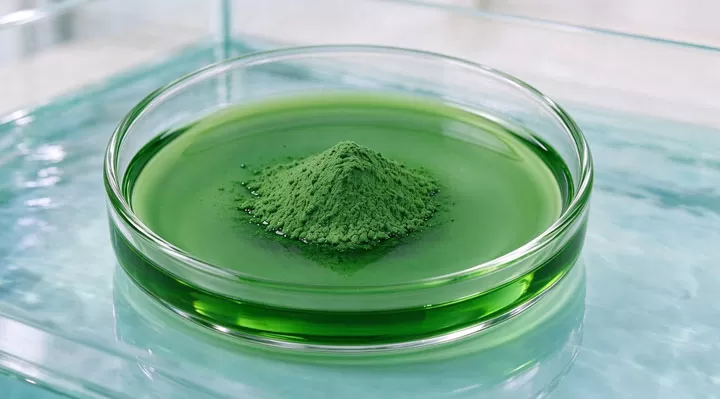
Contact us for samples, specifications, and technical data.
Aquaculture Sterilizing Dyes (such as specialized methylene blue or malachite green alternatives) provide dual benefits by providing visual treatment tracking, controlling harmful micro-organisms, and helping to shade against excessive sunlight/algae growth. Standard Aquaculture Disinfectants primarily target waterborne bacteria, viruses, and parasites to ensure biosecurity without changing the water's optical properties or color.
Fish Egg Treatment Dye is essential for protecting unhatched eggs from fungal infections (such as Saprolegnia) and bacterial contamination. Applying a controlled dose of sterilizing dye improves egg survival and overall hatch rates in commercial hatcheries without harming sensitive embryos.
Yes, high-grade Aquaculture Dyes and disinfectants formulated for aquaculture are designed to be safe for fish, shrimp, and bio-filters when used according to recommended dosages. They decompose naturally over time without leaving harmful residues in the water or aquatic life.