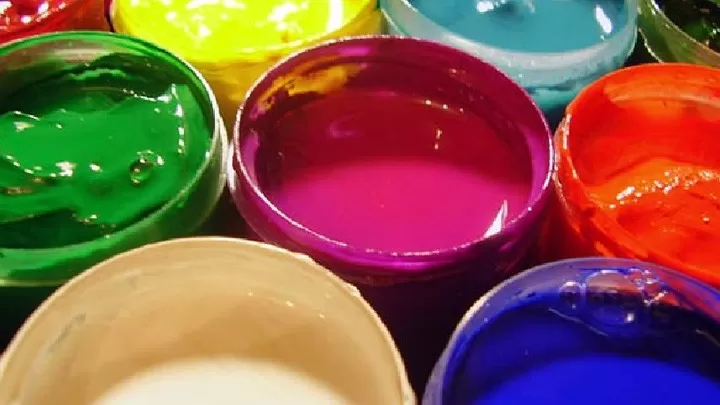
In the world of industrial coatings, solvent dyes play a critical role in achieving vibrant, transparent, and highly stable color effects. Unlike pigments, which are dispersed in the medium, solvent dyes dissolve completely, enabling smooth and glossy finishes.
Why Use Solvent Dyes in Coatings?
- Transparency: Perfect for wood stains or metallic finishes where clarity is vital.
- Compatibility: Well-suited to solvent-based systems including nitrocellulose, epoxy, and polyurethane.
- Thermal & Light Stability: High-grade dyes can resist temperatures up to 300°C and remain colorfast under UV exposure.
Key Applications
- Automotive Paints: Metallic or translucent coatings
- Plastic Coatings: For items like toys, appliances, or molded parts
- Wood Finishes: Especially transparent dyes for natural wood appearance
Selecting the Right Dye
When selecting a coating dye, consider:
- Resin compatibility (PU, NC, acrylic)
- Required color shade and depth
- Processing temperature and exposure to sunlight or chemicals
Final Thoughts
Solvent dyes are indispensable tools in high-performance coating formulations. Whether you are developing a new automotive finish or enhancing a wood stain product, the right dye can make a dramatic impact on appearance and performance.